From a small fire to a major incident: the danger posed by lithium‑ion batteries
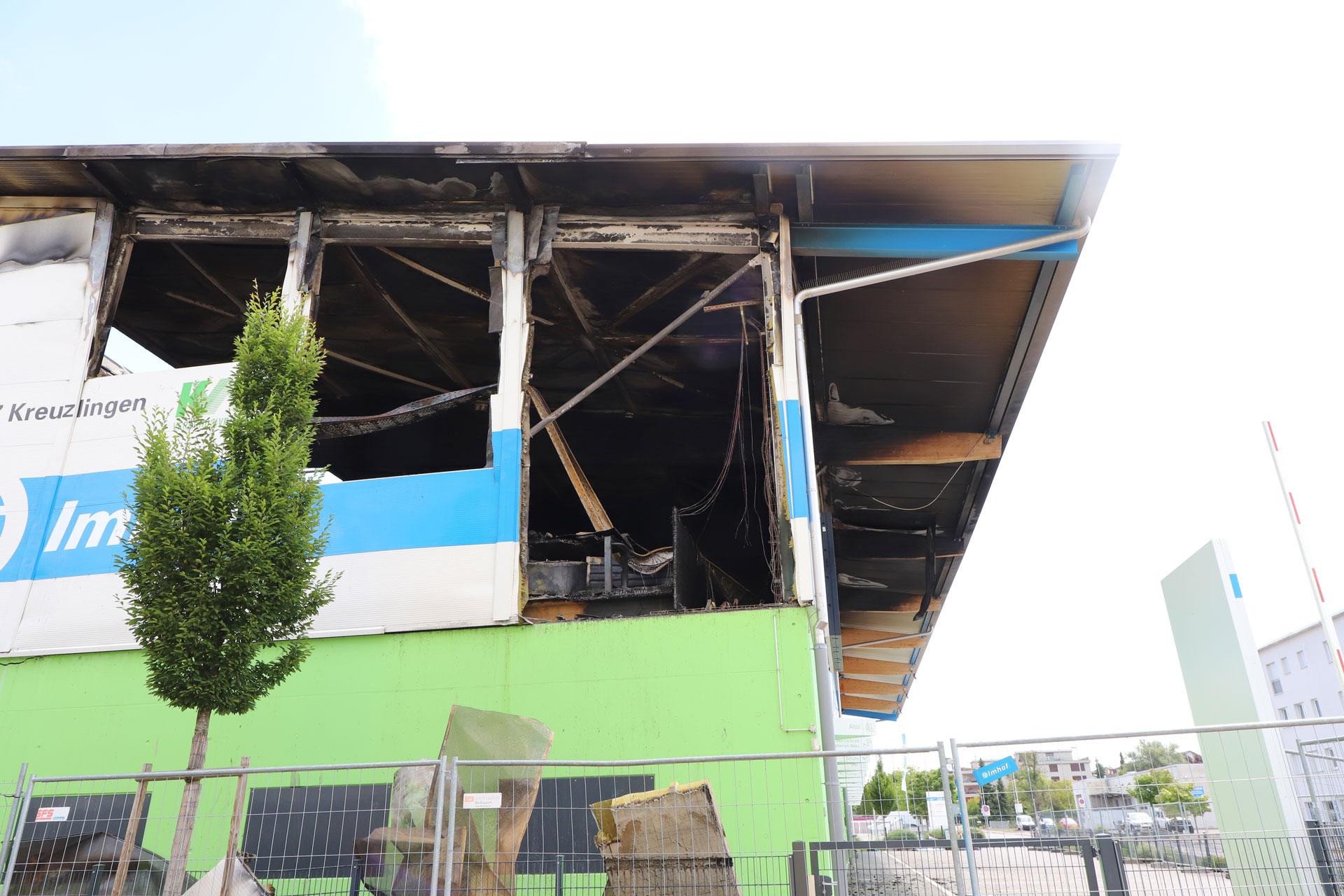
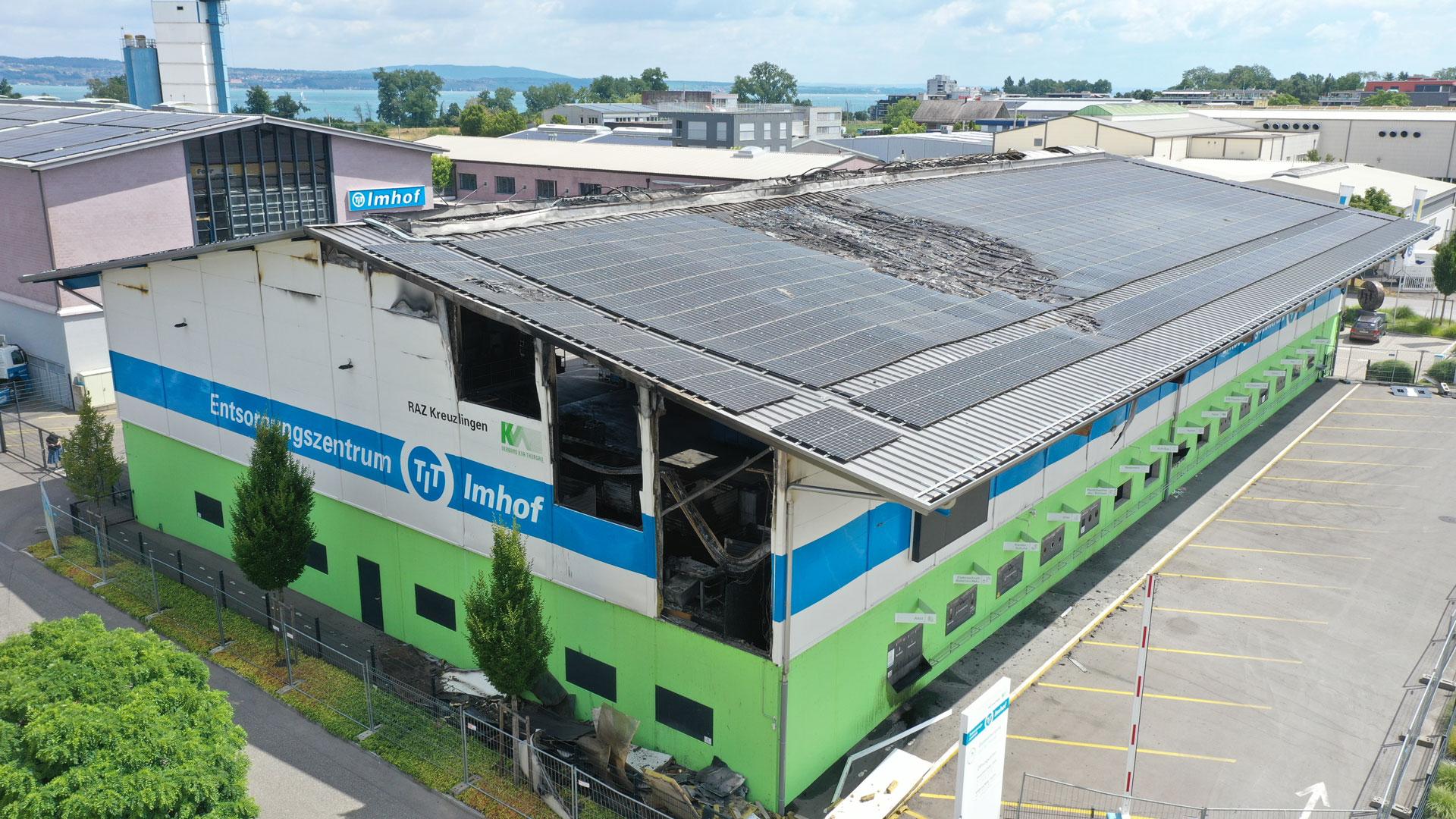
A fiery start for Hermann Rösch: on his fourth day at work, a fire broke out in the hall of the Regional Reception Centre (RAZ) in Kreuzlingen, largely destroying the hall. The exact cause of the fire could not be conclusively determined. In a discussion with Hermann Rösch, Head of Disposal and Recycling at TIT Imhof AG, we examined the incident’s impact on operations and staff and the lessons learned, given that the cause may have been an electrical or electronic device containing lithium‑ion batteries incorrectly disposed of.
Lithium-ion batteries as a risk factor
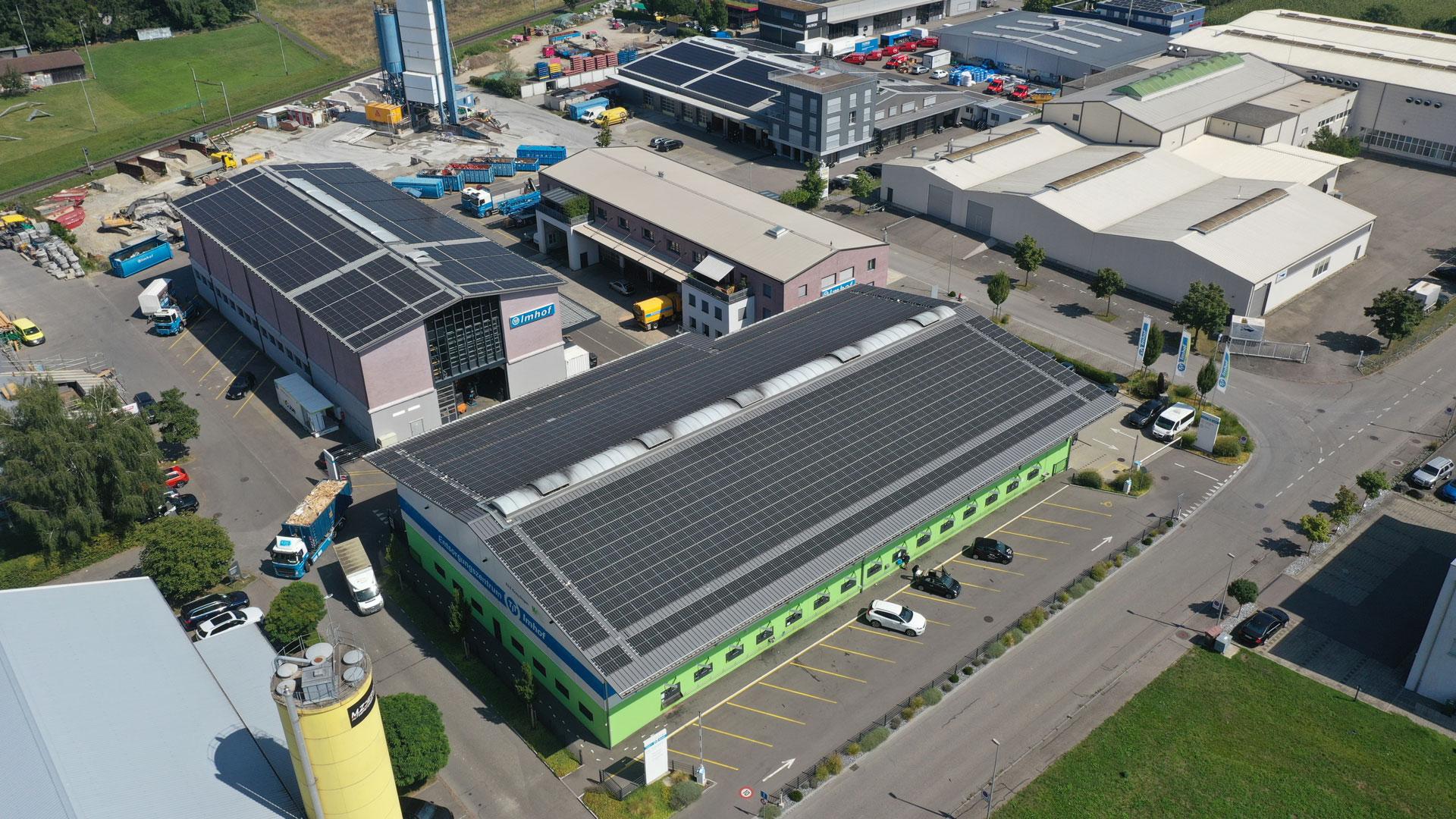
The increasing prevalence of lithium-ion rechargeable batteries and lithium batteries in waste electrical and electronic equipment is fundamentally changing the risk profile at collection points, dismantling facilities and recycling plants. Even with established fire protection concepts, as was the case at TIT Imhof AG in Kreuzlingen, a single mis-sorted item can ignite a rapidly spreading fire that is difficult to control. Systematically sharing experience about such incidents is becoming increasingly important for recycling operations so risks can be identified at an early stage and targeted fire protection measures can be developed. The fire incident of 9 July 2025 in the RAZ hall of TIT Imhof AG in Kreuzlingen illustrates how a small fire can rapidly escalate into an operational emergency.
The unexpected spreading speed of the fire
The fire occurred shortly before midday in the RAZ hall. The first sign was a large flare-up that developed rapidly in the bulk-waste bay. The precise cause of the fire could not be conclusively determined.
The existing fire-extinguishing system worked as intended. The incident’s dynamics nevertheless became clear: plastics and other combustible materials in the bulk waste acted as accelerants, producing dense smoke within just two minutes. Windows and extraction systems were opened immediately, and initial attempts to extinguish the fire were initiated. However, due to the extreme smoke development, taking effective action was difficult.
The heat at the heart of the blaze was so intense that aluminium in the bulk waste melted and began to drip. As a result, the fire breached the roof and new pockets of flames formed inside the hall. This development illustrates how quickly a small fire can escalate into a major incident.
The alerting process and coordination with the fire brigade worked well in principle, but the fire spread far more quickly than anticipated. This demonstrates that, when combustible waste is mixed, conventional assumptions about how fires develop are often inadequate. In retrospect, the hall’s building envelope insulated with rock wool, originally installed for noise-protection reasons, proved to be an unexpectedly effective additional fire-protection measure.
Impact on operations
The operational impact of the fire was considerable. The property insurer covered the damage to the building, including the walls, roof and PV system. Also of central importance was business interruption insurance.
A new building application submitted on 25 July 2025 was fast-tracked and approved thanks to the Canton of Thurgau’s constructive support. A particular challenge was coordinating the timing between the submission of the building application and the building insurer’s financing commitment, as the operation was under intense time pressure to resume use of the hall as quickly as possible. Reconstruction began in October 2025, and the new hall was able to be brought into operation on 9 February 2026, just seven months after the fire. Emergency operations for collection activities were established during the construction phase. From a logistical standpoint, this was far more demanding than routine operations and placed a substantial additional burden on staff.
Burden on staff
Even though no one was injured, the incident had a major impact on staff. Many said that it is hard to imagine such a scenario without having personally experienced it. In the period after the fire, numerous discussions were held, in particular to avoid blame among staff and to reduce fears. These discussions required a high degree of empathy and were essential for stabilising the team.
The heavy workload triggered by the incident was another challenge for staff. Setting up an emergency operation at short notice and rolling out and implementing new processes required a high degree of motivation and flexibility. As a result, the company’s safety culture is being further developed in a targeted manner.
Measures and improvements after the fire
Short- and long-term measures were implemented after the fire. In the area of personnel, efforts have since concentrated on improving communication, raising awareness and providing training. A clear focus is now on regular fire brigade drills to prepare staff better for emergencies. In addition, structured exchange sessions are held every four weeks with employees from the collection point, the dismantling team, the weighbridge operators, and receiving staff. Current topics are discussed, along with specific equipment and its hazard potential.
Technically, this involved the expansion of the existing fire-protection concept, which originally comprised thermal imaging cameras and fire-hose stations. As water-based extinguishing systems were not financially feasible, the decision was made to install an innovative powder extinguishing system. This can be deployed for defined spaces and operates fully automatically. Temperature sensors trigger the system when 72°C is exceeded; at the same time, the fire brigade is automatically alerted via a connected security control centre.
The technology in use originally comes from space travel and meets special requirements: extinguishing without oxygen deprivation and without water. What is important here is understanding exactly what the system can and cannot do – the system cannot extinguish battery fires themselves, but it can extinguish the surrounding fire. This buys valuable time to prevent spread and limit damage.
Awareness-raising and prevention: lithium-ion batteries
The chief lesson from the fire is that it is necessary to prevent such fires from developing at the earliest possible stage. A key starting point is educating consumers. Hermann Rösch considers a possible approach to be mandatory questionnaires that clearly indicate which types of waste, particularly batteries and rechargeable cells, must not be disposed of with general household waste.
Conclusions and outlook
The fire at the RAZ in Kreuzlingen demonstrates that a highly dynamic fire can develop within a matter of moments, even in facilities with effective fire protection concepts and clearly defined procedures.
This incident demonstrates that, in addition to technical measures, a thorough risk assessment and an effective fire protection concept are also essential. This should be accompanied by awareness campaigns, employee training, and realistic emergency drills to minimise the impact of such incidents.
Targeted investment in cost-effective fire protection technologies can buy crucial time and reduce damage during an emergency, even if every cause of fire cannot be completely eliminated. Adequate insurance cover is also an essential component of operational resilience.
The Kreuzlingen fire shows that an open learning culture and the sharing of experiences between facilities are essential for learning from incidents and improving protection concepts.
At the same time, greater consumer awareness is needed. Only if waste electrical and electronic equipment containing lithium-ion rechargeable batteries is correctly separated and returned can such incidents be avoided in the long term. SENS eRecycling and Swico Recycling therefore continue to promote broad-based awareness initiatives to enhance operational safety and reduce risks throughout the entire disposal process, including through the Brandgefährlich (“extremely dangerous”) campaign.
The recycling systems SENS eRecycling and Swico Recycling issue recommendations that guide collection points, dismantling facilities, and recycling plants, and these recommendations are addressed during audits. The recommendations concern the handling of devices with lithium batteries for dismantling and recycling facilities and provide important guidance for safe operation. The recommendations can be accessed here.