Climate protection through refrigerator recycling: continuity with major impact
The recycling of refrigerators in Switzerland has long since evolved from the mere recovery of materials to a key tool for fighting climate change. While metals and plastics continue to represent important recyclable materials in the sense of a circular economy, the actual environmental lever lies in systematic recovery of climate-relevant gases. Thanks to established technologies and constantly optimised processes, the system makes substantial contributions to the reduction of greenhouse gas emissions year after year.
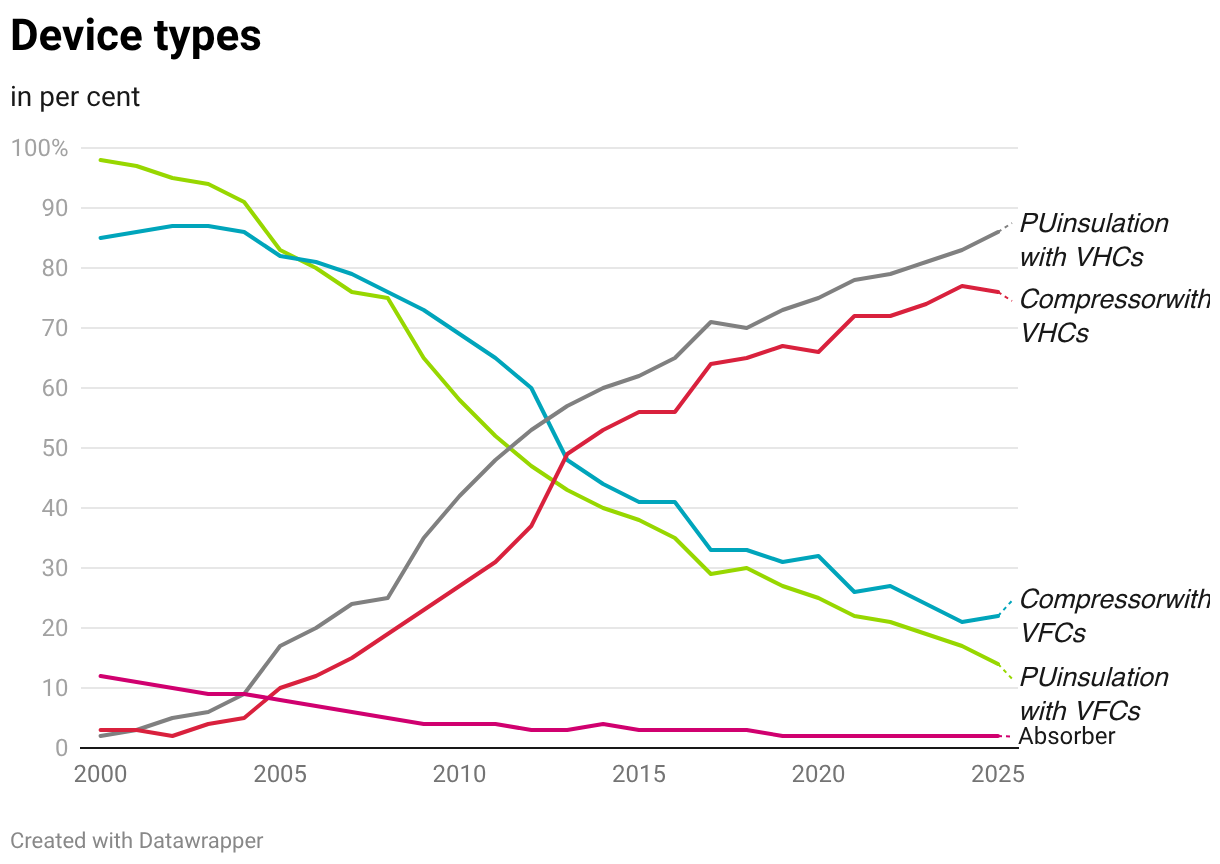
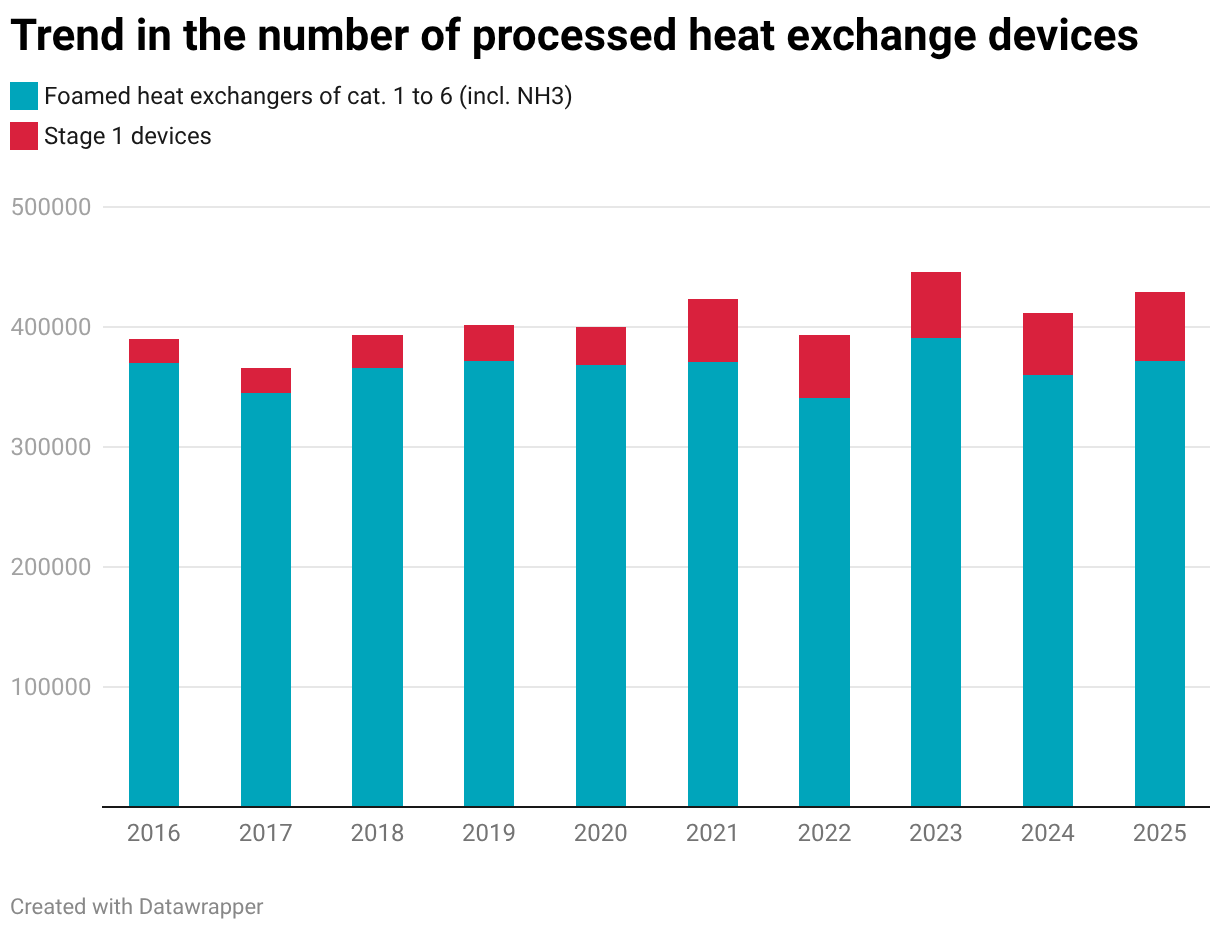
In 2025, some 430,000 items of heat exchange equipment with a total weight of around 23,000 tonnes were processed in the SENS take-back system, with about one-seventh of the equipment being Step 1 appliances only. Step 1 appliances are electrical appliances such as air conditioners or heat pump dryers that contain refrigerants but not blowing agents. In terms of the pollutants to be recovered, the composition of the appliances continues to change over time: newer appliance generations containing hydrocarbons that are less relevant to the climate are gaining ground among the appliances collected, while older appliances with fluorinated refrigerants and blowing agents are in decline but still constitute a significant share.
These substances, known as (partially halogenated) fluorochlorocarbons or (H)CFCs, are classified as volatile fluorinated hydrocarbons (VFCs) in the standard SN EN 50625-2-3. Due to the associated high degree of climate impact, such substances are the focus of emission avoidance measures. They stand in contrast to the volatile non-halogenated hydrocarbons (VHCs), which have low greenhouse potential but are still environmentally relevant because they can contribute to local air pollution (formation of ground-level ozone and organic aerosols).
Delayed reduction in waste appliances that harm the climate
The substitution of ozone-depleting substances with an impact on the climate that was initiated in the 1990s exhibits a sustained but delayed effect on recycling. While the transition from CFCs to HFCs and finally hydrocarbons in appliance manufacture has long been complete, it is reflected only with delayed effect in the return of waste electrical and electronic equipment.
The decline in appliances containing VFCs is also proceeding more slowly than originally forecast, which is likely related to the longevity of these appliances. In the 2025 reporting year, 22 per cent of compressors in these appliances contained VFCs, while 14 per cent of appliance insulation still contained VFC-based blowing agents. Appliances with ammonia as a refrigerant remain at a consistently low level of around 2 per cent (Figure 2).
Clothes dryers and the like: increasingly prominent share of Step 1 appliances
A compressor compresses the refrigerant, which then circulates through the cooling fins (lamellae) and extracts heat from the interior of the refrigerator – or, in the case of an air conditioner, from the living space. Unlike refrigerators, which have a polyurethane (PU) insulation layer containing a blowing agent, such a layer is absent in Step 1 appliances (e.g. heat pump dryers, air-conditioning systems and dehumidifiers). Dehumidifiers are becoming increasingly common in the material input stream. The extraction of refrigerants from their cooling circuits on the separate stand-alone systems of the refrigerator recycling companies is complex: the appliances must be opened manually due to their designs, especially the position of the compressor, and brought into a position that allows gas evacuation at the lowest point of the refrigeration circuit. Since, on average, higher refrigerant filling quantities are also present, the extraction process often takes longer than is the case with refrigerators. After the extraction process, the appliances are further processed in a manner similar to large household appliances such as washing machines or ovens using conventional shredding technology (mills, cross-flow shredders, etc.). In 2025, some 13 per cent of all processed heat exchange appliances were Step 1 appliances without PU foam insulation (Figure 3).
Substantial contribution to combating climate change through efficient removal of hazardous substances
The proper treatment of waste refrigeration appliances remains of key importance, as the substances contained in them have a high global warming potential. Even small amounts of gas can have a significant impact on the climate if they are released in an uncontrolled manner.
The recycling plants used in Switzerland ensure almost complete recovery of these substances. The subsequent thermal treatment under controlled conditions converts these substances into CO₂, water and salts, thereby reducing their climate impact by up to ten thousand times.
In 2025, around 150,000 tonnes of CO₂-equivalent emissions could be avoided in this way. This amount corresponds to about 36,000 trips around the world in a petrol-powered passenger car. Emission reductions through refrigeration appliance recycling therefore remain at a consistently high level and continue to make a relevant contribution to achieving climate protection targets.
Technological standard and process reliability
The recycling processes used correspond to the current state of the art and are based on a two-step process. In an initial process step, refrigerant and compressor oil are evacuated under vacuum, and additional components containing hazardous substances, such as capacitors, are separated out. The appliances are then crushed mechanically under gas-tight conditions with integrated recovery of the blowing agents contained in the insulation material.
The process allows for the clean separation of material streams with efficient recovery of usable materials, including ferrous and non-ferrous metals as well as high-quality plastics. It also ensures the controlled capture and treatment of hazardous substances.
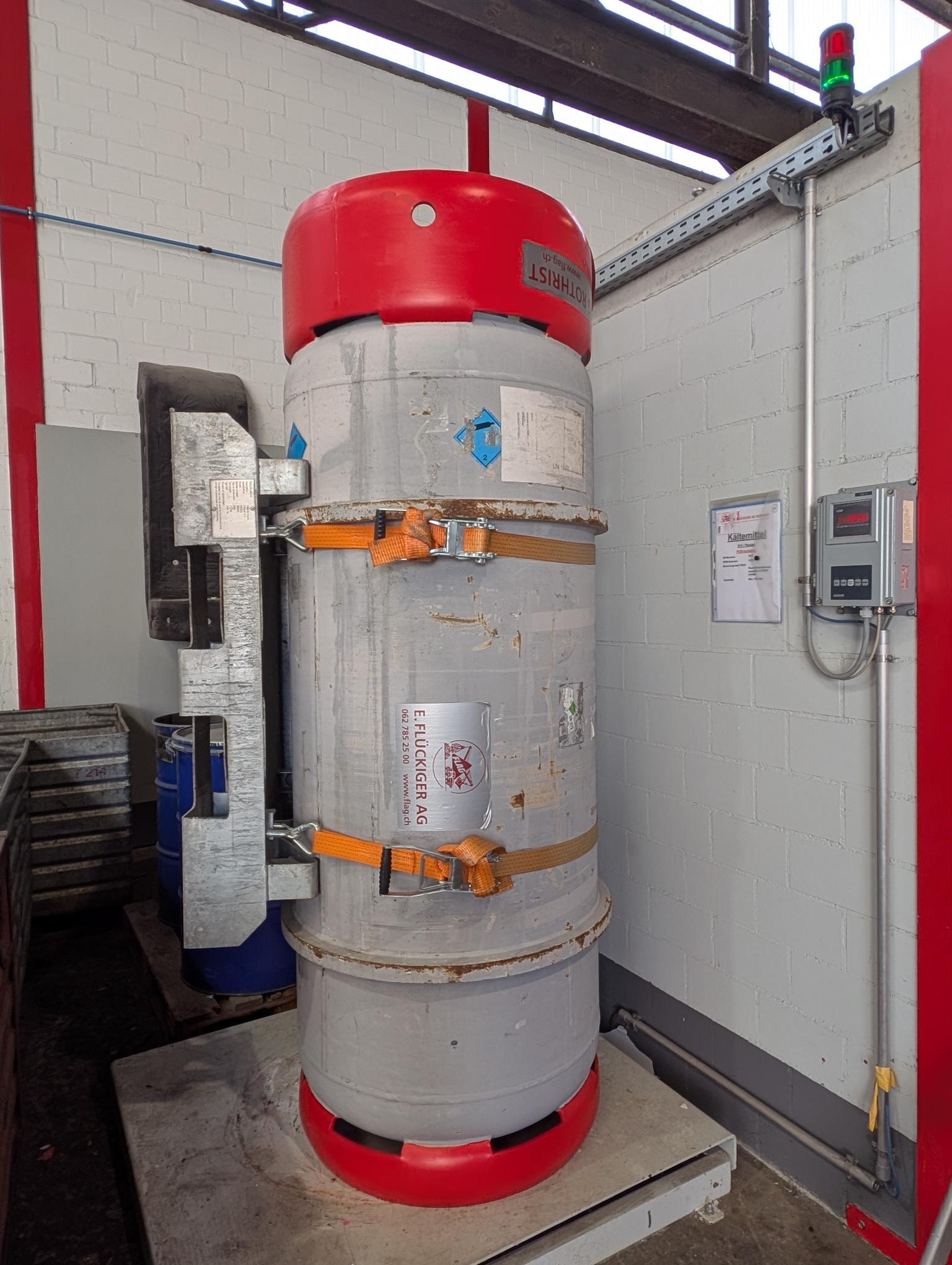
Figure 4. Recovered blowing agent in a 900-litre pressure gas tank, E. Flückiger AG, Rothrist.
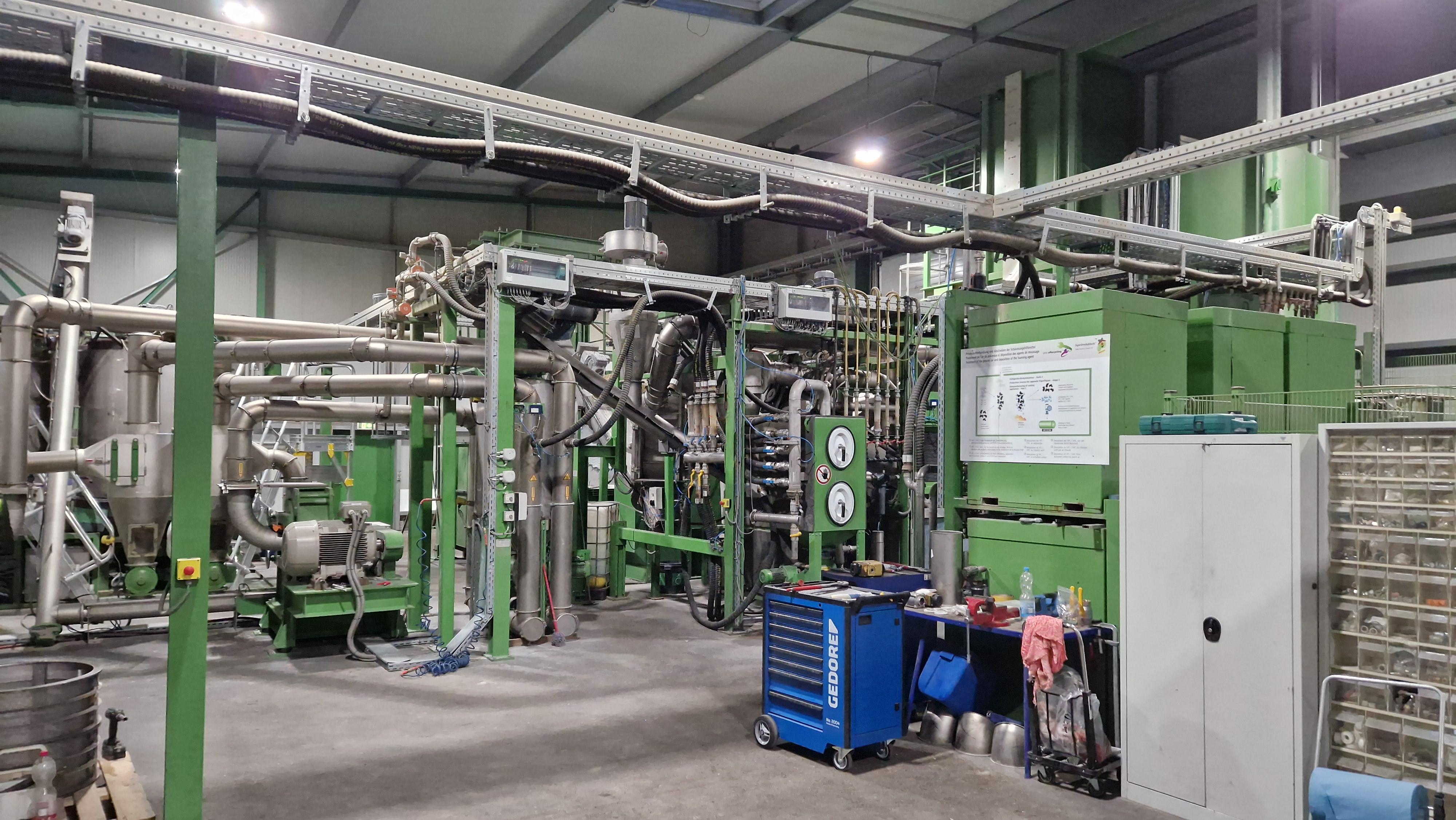
Figure 5: Overview of the Step 2 plant of Oeko-Service Schweiz AG, Rheinfelden.
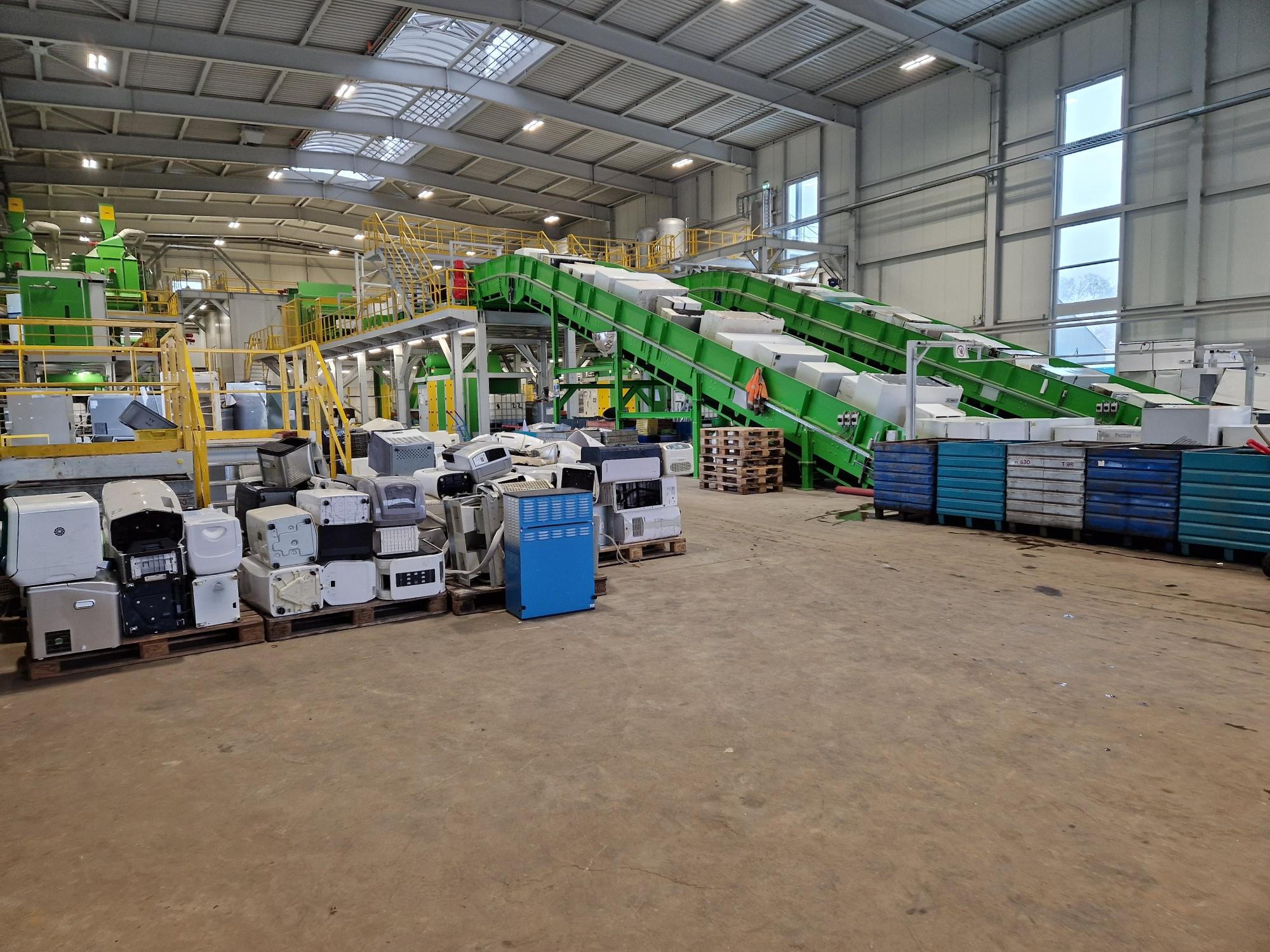
Figure 6. Appliance infeed for processing on two separate lines at Immark AG, Aarwangen.
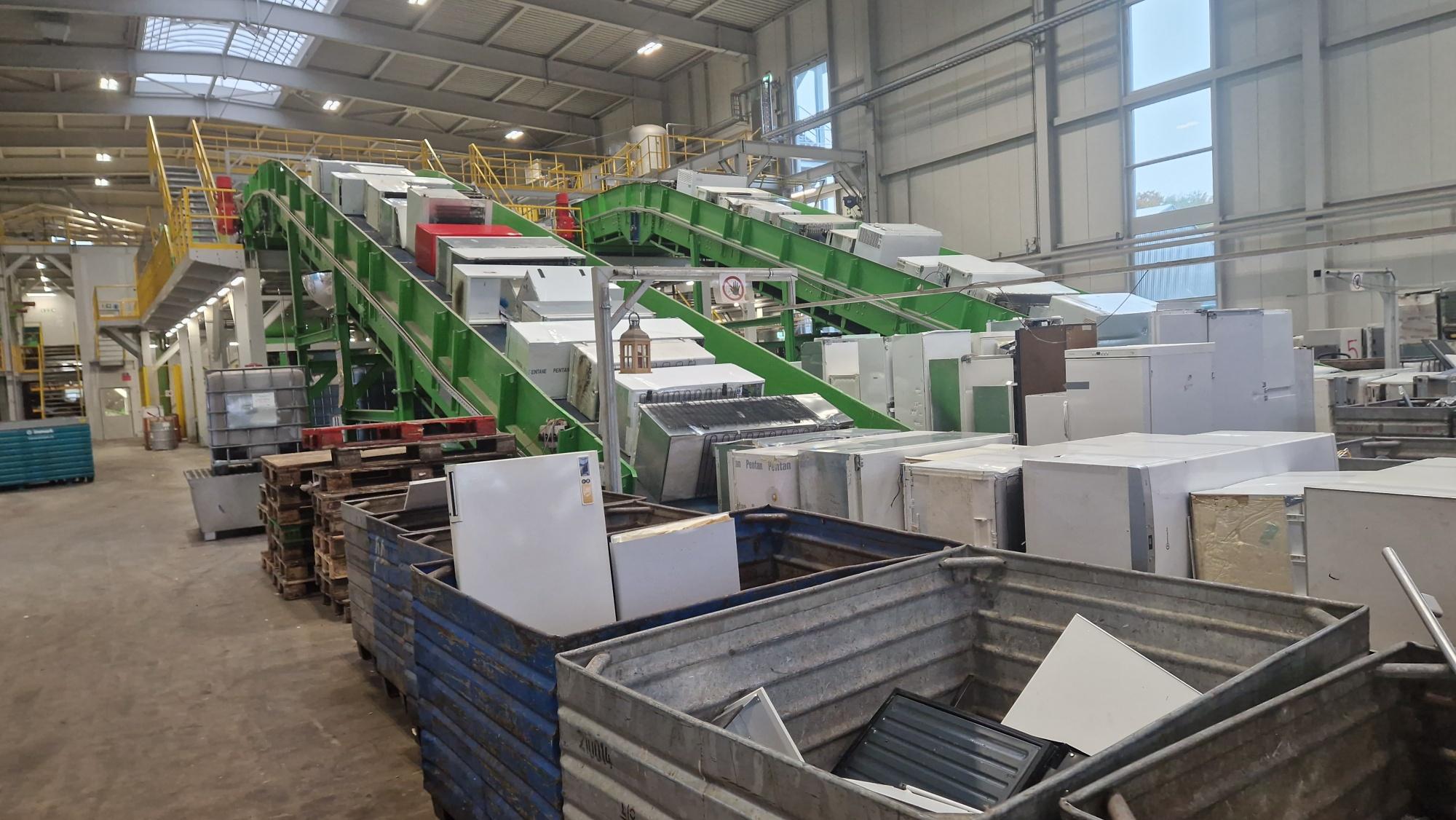
Figure 7. Appliance infeed for processing on two separate lines at Immark AG, Aarwangen.
Recovery volumes during structural change
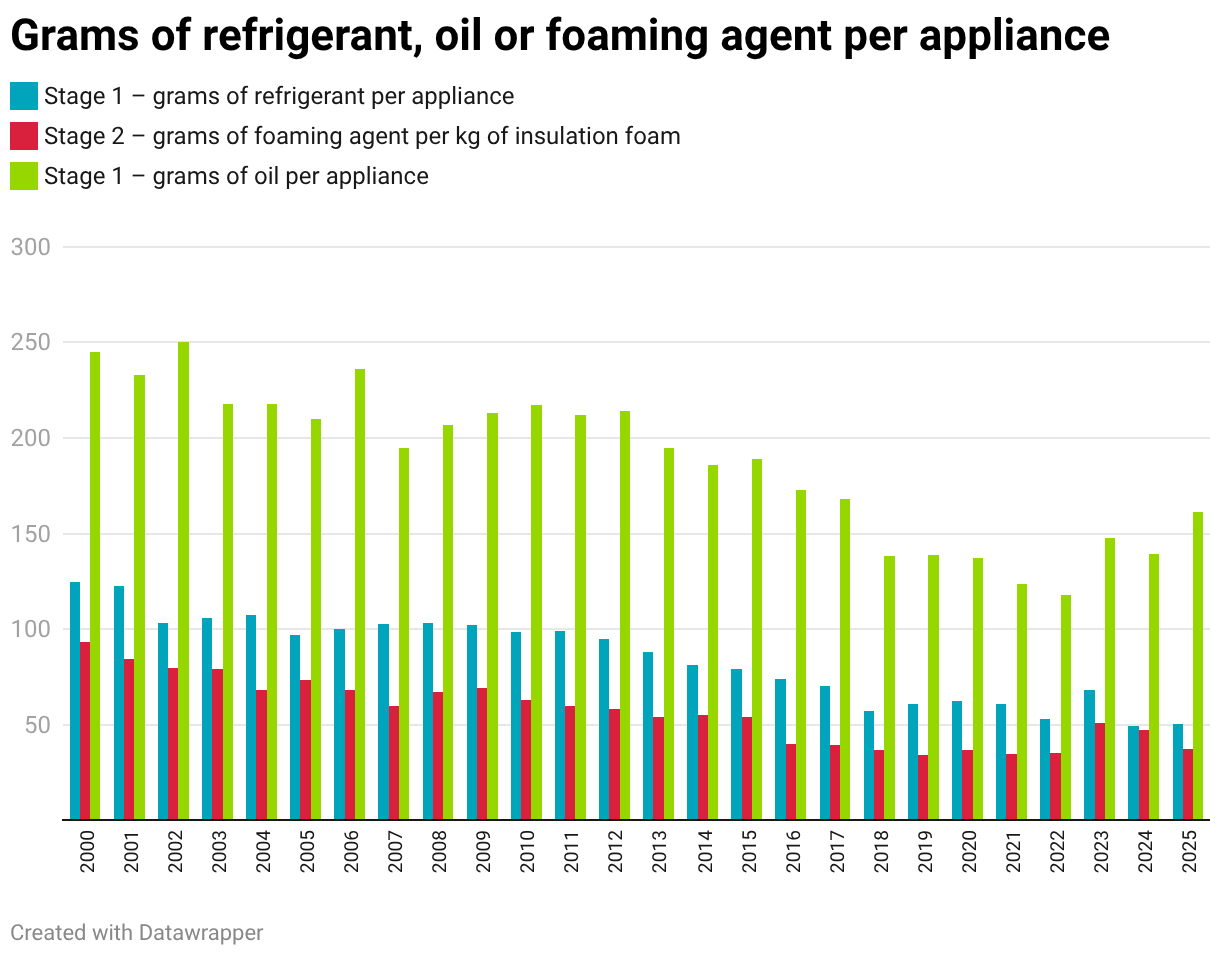
The trend in recovery volumes continues to be strongly influenced by the changing composition of appliances. The increasing proportion of modern VHC appliances with lower refrigerant filling quantities and blowing agent concentrations in the PU foam compared to VFC appliances is leading to a long-term decline in the amount of gas recoverable per average appliance and consequently to a measurable decrease in the quantities recovered in absolute terms. The original assumption that newer generations of appliances would also contain less compressor oil has, however, proven to be incorrect (Figure 8).
The following values were recorded for 2025:
- VFC/VHC refrigerant mixture: 50 g per appliance (+2% compared to the previous year: 49 g)
- VFC/VHC blowing agent mixture: 37 g per kilogram of PU foam (–21% compared to the previous year: 47 g/kg)
- Compressor oil: 161 g per appliance (+15% compared to the previous year: 140 g)
Performance monitoring 2.0
High-tech processes such as process gas recovery are highly demanding because the gases must be handled without losses. The chlorine and fluorine content of the gases also creates highly corrosive conditions, leading to increased wear on materials. Certain locations within the plant, such as bolted or flanged connections, valves, couplings and sealing rings, may – due to their design or as a result of factors such as vibration – be susceptible to material damage and vibration-induced self-loosening, which can lead to leaks. For these reasons, plant operators not only regularly carry out comprehensive leak testing of the vacuum and pressurised systems but also replace parts or make mechanical and structural optimisations as necessary. Equally essential is the implementation of control and software-based monitoring tools that allow continuous monitoring of recovery performance and can detect deviations from the target. This ensures that, if necessary, a root-cause analysis is carried out quickly, and appropriate maintenance measures are implemented in a timely manner. In this sense, monitoring has thus systematically evolved beyond the original purpose of deriving annual key figures into a central quality assurance tool.
Quality of upstream logistics as a crucial factor
In addition to this complex maintenance and the technological development of the recycling processes, there is still a need for optimisation in the upstream logistics. The condition of the delivered appliances has an impact on both the environmental footprint and occupational safety.
A significant proportion of the appliances have damaged refrigeration circuits due to improper handling during property clearances, dismantling work, collection or transport. In addition to unwanted emissions, this leads to elevated handling risks even before the actual recycling process begins, particularly during unloading.
Systematic adherence to the requirements for collection, storage and transport therefore remains a key factor for the overall performance of the system (Information sheet “Collecting and Transporting Refrigeration, Air-Conditioning and Freezing Appliances”).
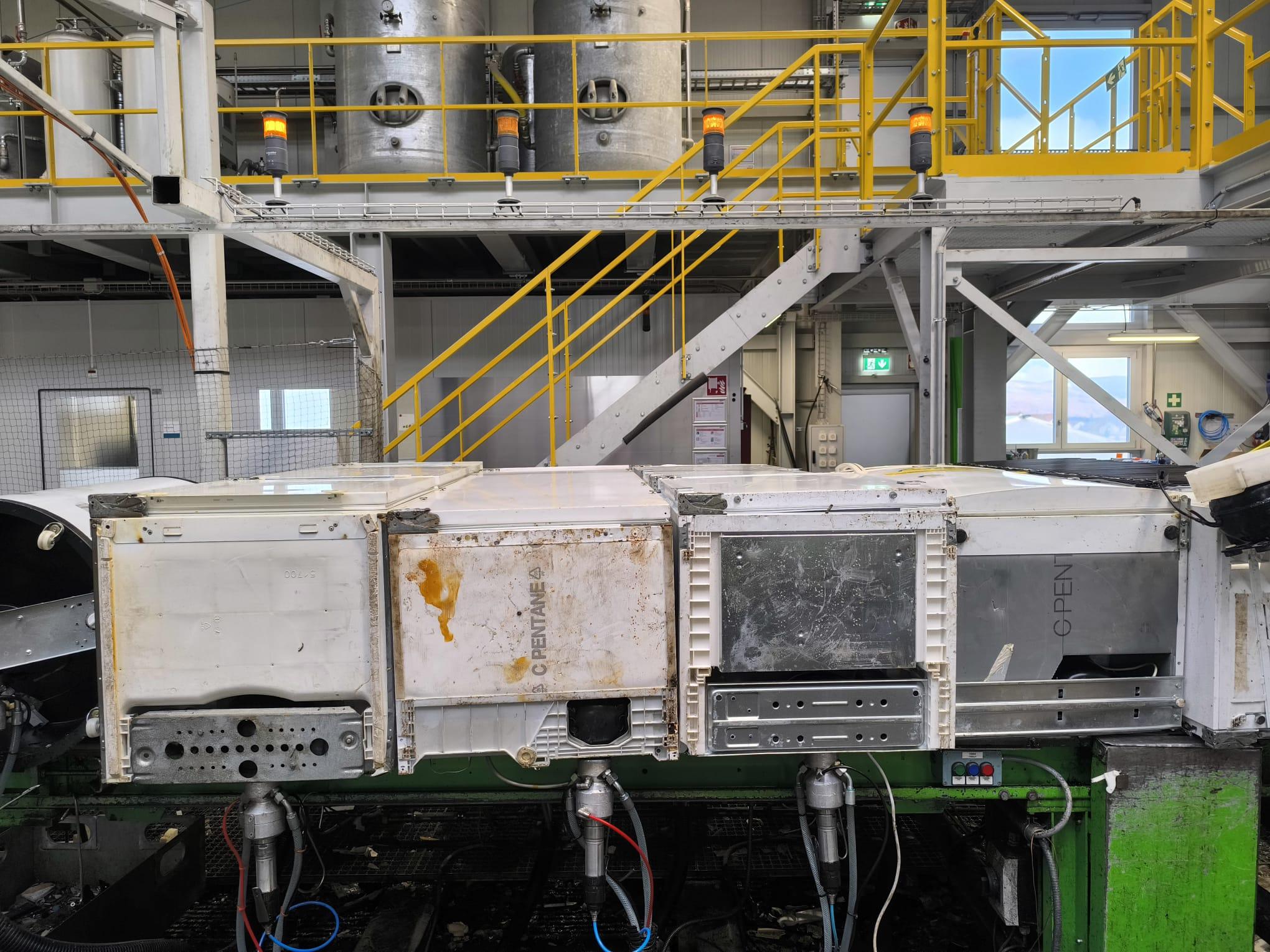
Figure 9. Simultaneous extraction from several refrigerators at Step 1 at Immark AG, Aarwangen.
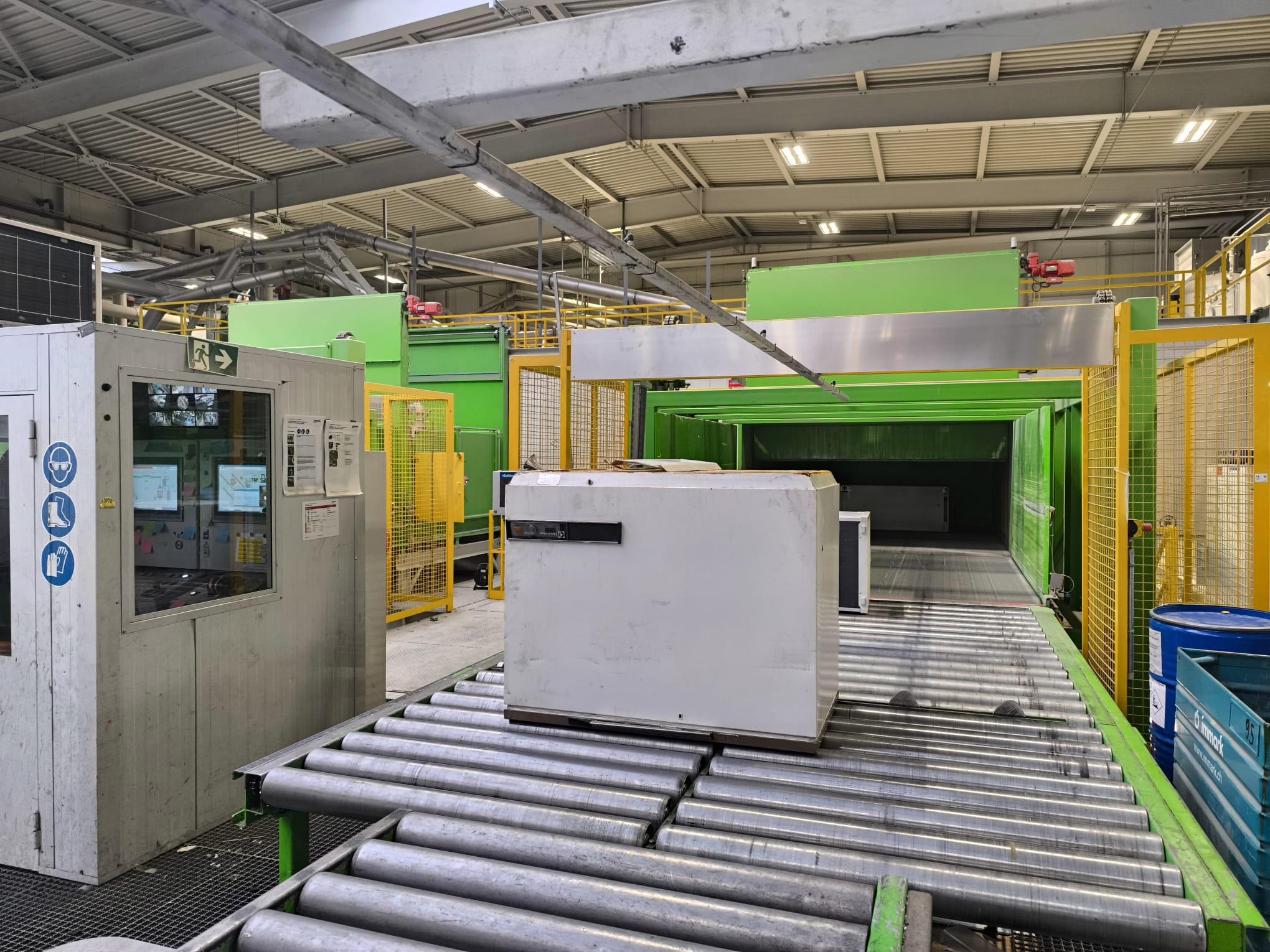
Figure 10. Conveying a drained housing into the shredding step, Immark AG, Aarwangen.
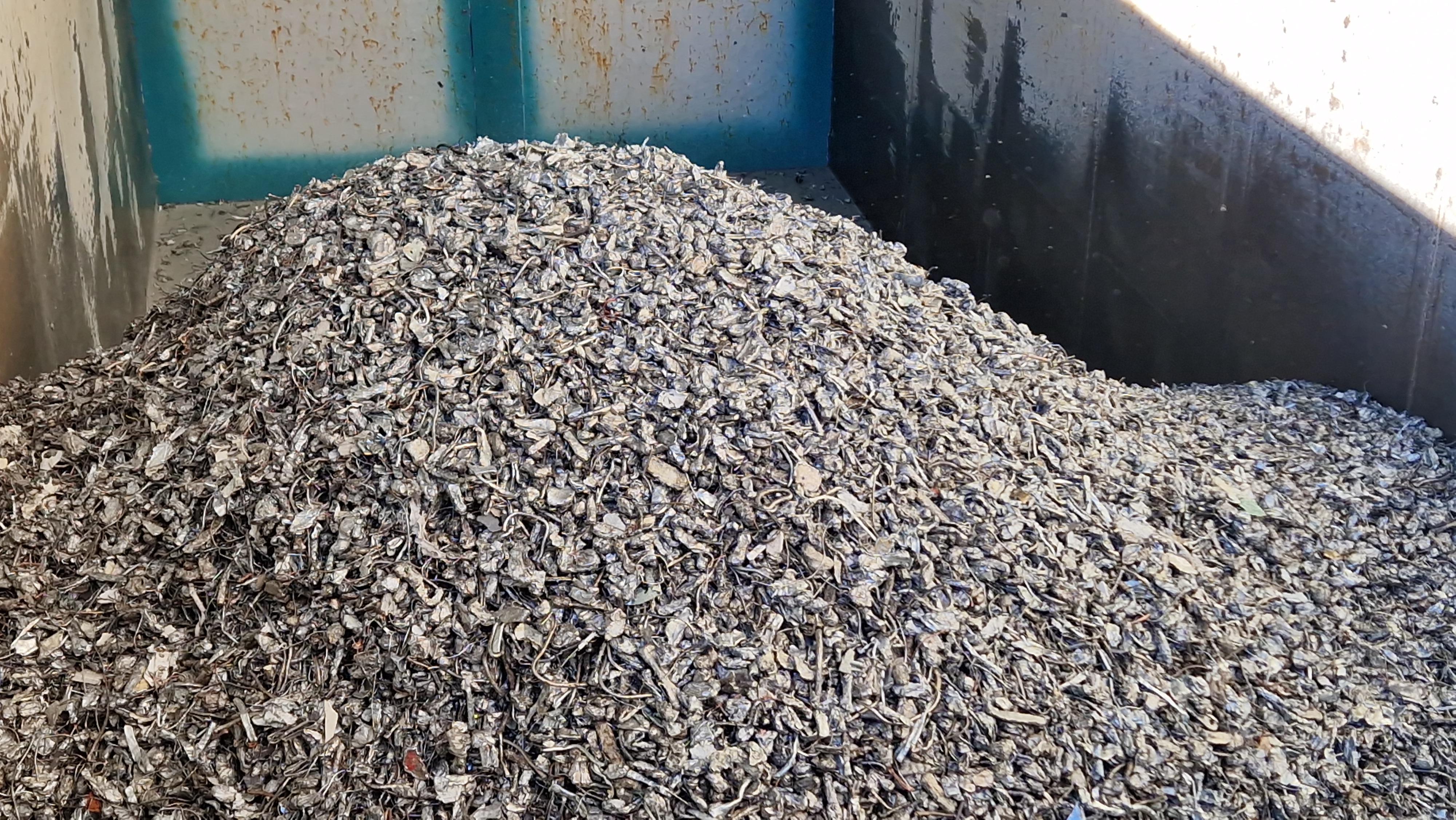
Figure 11. Sorted, pure iron fraction at Immark AG, Aarwangen.
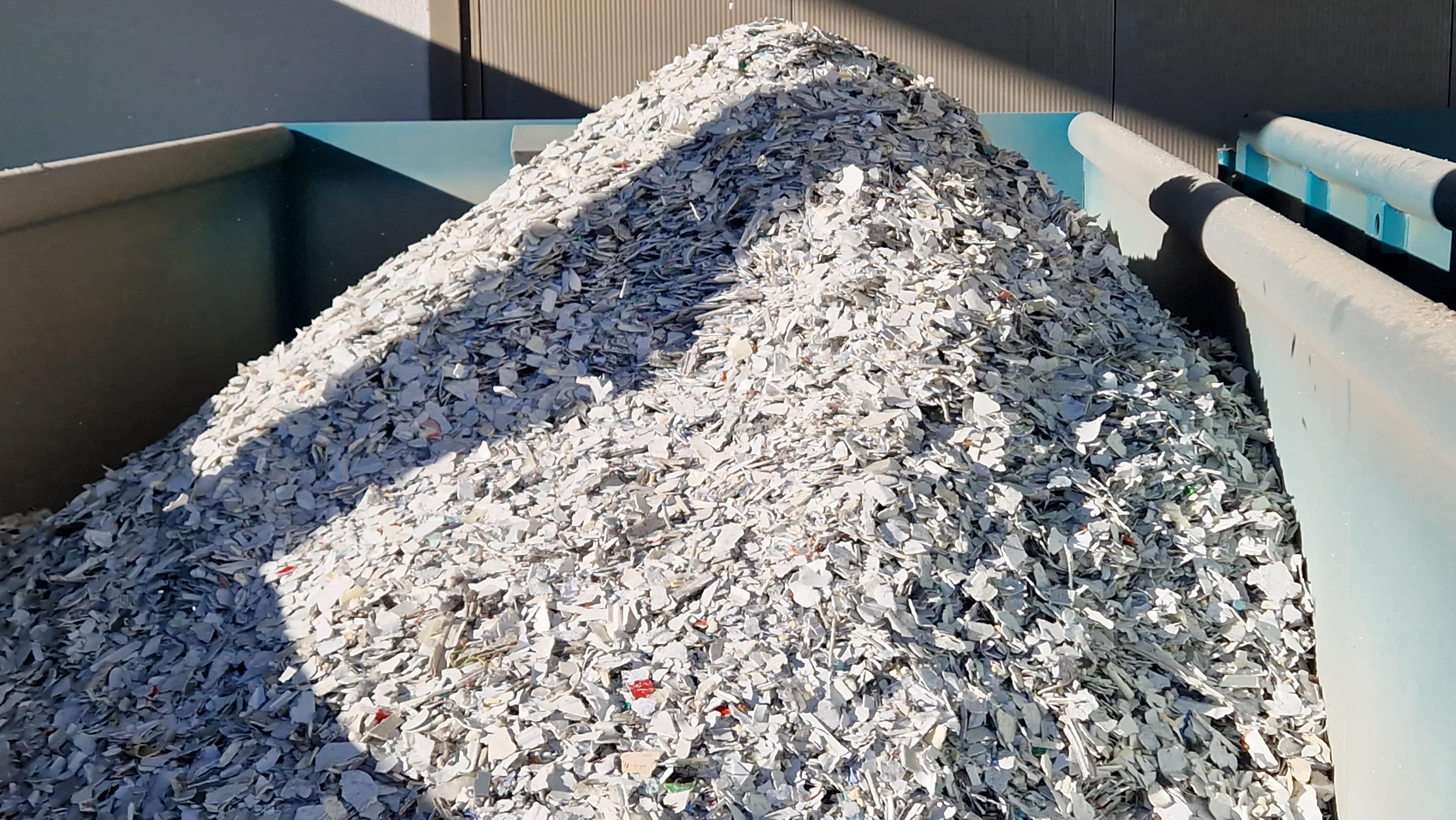
Figure 12. Sorted, high-quality plastic fraction at Immark AG, Aarwangen.
Classification and outlook
Although the quality of refrigerator recycling in Switzerland already meets high standards thanks to the modern plant machinery, the processes are subject to further development on an ongoing basis, allowing them to offer a very high level of system stability. The efficiency of the recovery of hazardous substances remains at a high level due to extensive efforts in plant maintenance, technical innovations, the great commitment of the personnel involved and stringent monitoring processes, while the material composition of the waste equipment continues to shift towards technologies that are less harmful to the climate.
Against the backdrop of the VFC waste still in circulation, the potential for preventing greenhouse gas emissions remains significant in the coming years. The existing recycling system is well positioned to continue harnessing this potential and thereby make a sustainable contribution to combating climate change.