Digitalisation, plastics recycling and PFAS: a look at the work of the SENS/Swico Technical Commission in 2025
It was an eventful year for the SENS/Swico Technical Commission (TC): two central audit tools were updated and put through their paces in everyday use, namely WEEE flow and the new RepTool. The commission conducted workshops to discuss how software-based tools can better support auditing in future. Its training course was updated to include specialist content on plastics recycling and the much-discussed PFAS. A site visit to InnoRecycling AG and a presentation by Prof Scheringer provided valuable impetus for the auditors’ daily work.
Introduction and ongoing development of audit tools
For its auditing activities, the SENS/Swico TC uses a range of different auditing tools – from traditional documents such as audit reports, batch reports and material flow analyses, to specialised software solutions. Since the beginning of 2025, the newly developed WEEE flow software has been used by recycling partners to record material flows. At the same time, a new version of the European RepTool used for batch tests was also introduced. So the auditors had to simultaneously get to grips with two new digital tools.
Initial experiences with WEEE flow were predominantly positive: the recording of material flows and audit evaluations were rated as intuitive and well-structured. There was also some feedback on possible improvements, such as additional evaluations. The new RepTool also simplified the handling of batch evaluation and led to greater harmonisation among the auditors.
The introduction of these two software-based tools prompted the SENS/Swico TC to review all other audit documents during a workshop as part of its annual training course. The aim was to simplify or adapt content based on the new evaluation options. In addition to this, Gregor Schguanin, an inspector from Baustoff Kreislauf Schweiz, presented the Arvis audit tool (new name CIRCULIS). This provided an interesting basis for discussion regarding the long-term direction of the team’s audit tools, as well as the opportunities and limits of software-based audit reports.
Old and new topics: plastics recycling and PFAS
In addition to audit tools, two main areas of focus were on the training course agenda in 2025: plastics recycling and per and polyfluoroalkyl substances (PFAS).
Plastics recycling for waste electrical and electronic equipment (WEEE) remains a major challenge due to the high material heterogeneity, the hazardous substances they contain (e.g. brominated flame retardants) and the current market situation. At the same time, the topic of PFAS has attracted more public attention than ever before – particularly in connection with its presence in various waste flows.
During a visit to InnoRecycling AG in Eschlikon TG, Managing Director Markus Tonner presented the latest developments and technologies in plastics recycling. The commission had the opportunity to visit the collection point, impressive material warehouse and InnoPlastics AG plant, where plastic waste (primarily from household packaging) is processed into polyethylene and polypropylene regranulate.
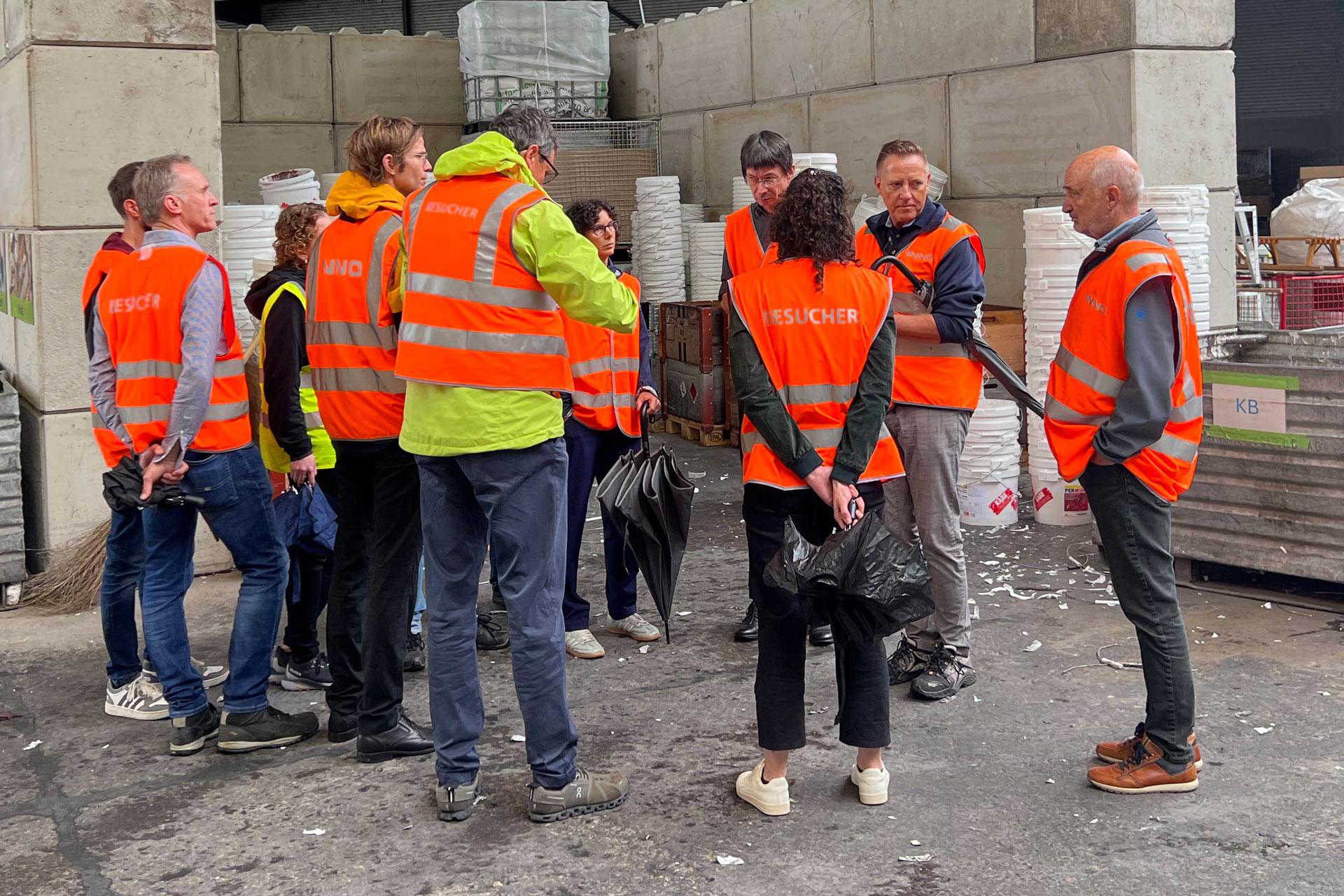
Figure 2. InnoRecycling collection point. Image source: dss+
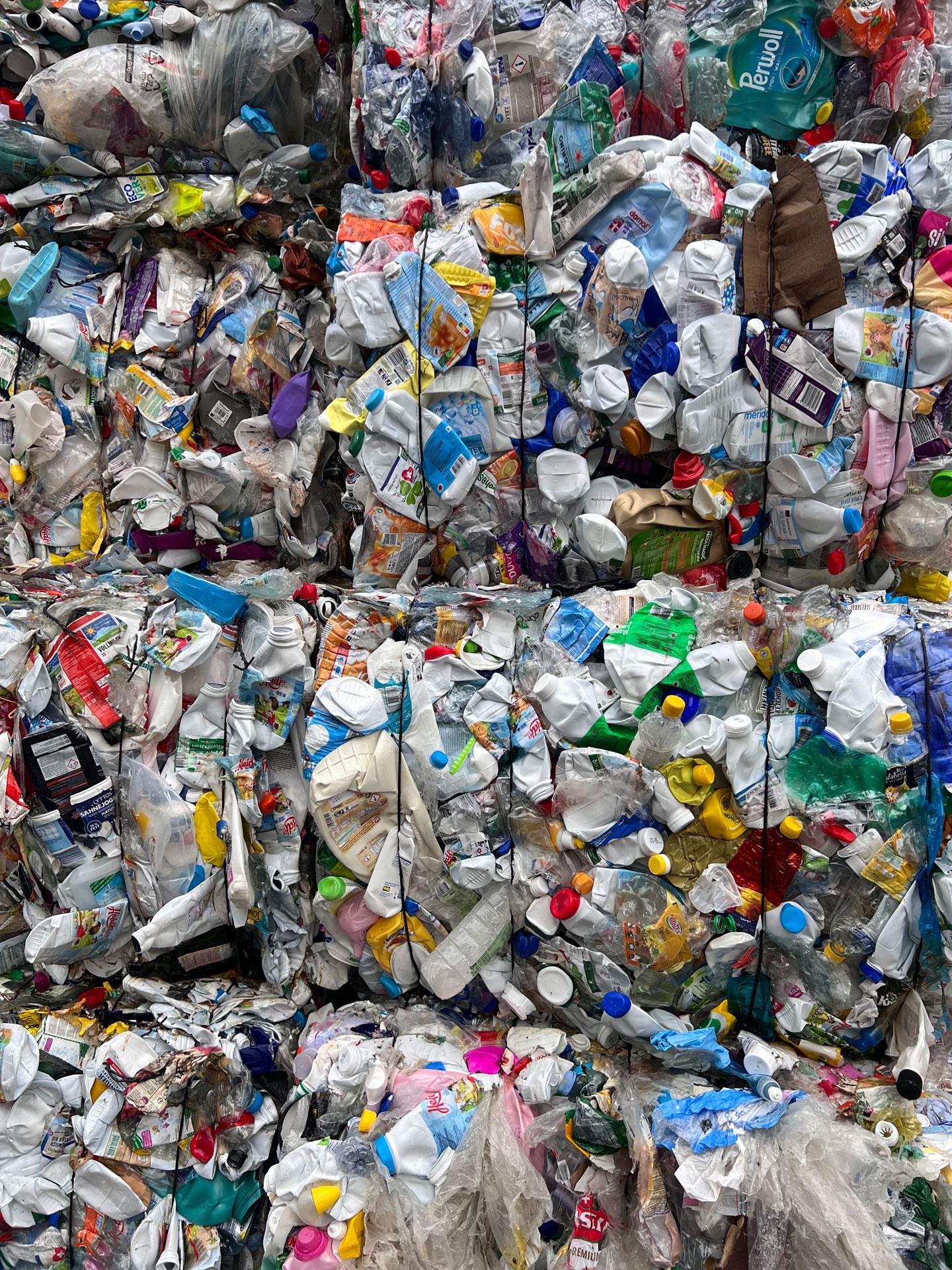
Figure 3. Compacted bales of HDPE bottles. Image source: dss+
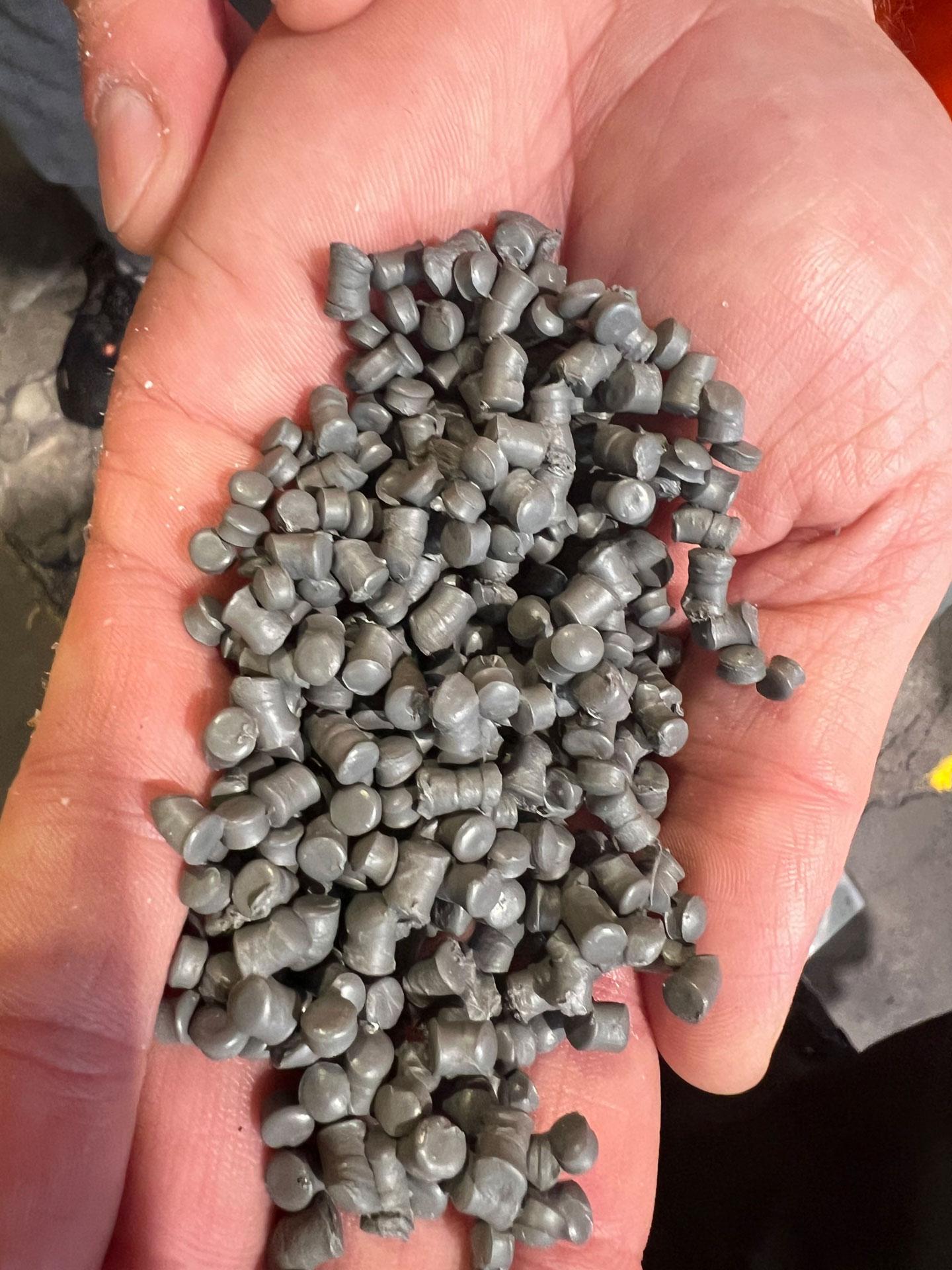
Figure 4. Regranulate produced at InnoPlastics AG. Image source: dss+
Professor Scheringer (ETH Zurich) gave an informative presentation on PFAS. He talked about the chemical properties, areas of application, typical emission sources and the environmental and health impacts, followed by an overview of current political developments. Of particular interest for audit work was the fact that fluoropolymers are high-performance plastics that are inherently very stable and therefore relatively unproblematic for the environment and health, but that their production still leads to significant PFAS emissions. In WEEE, PFAS are believed to originate primarily in the manufacture of semiconductors and circuit boards.
Consistent Technical Commission team
There was just one personnel change on the SENS/Swico TC: at the beginning of 2026, Tetiana Zubkova (Gagarina) returned from maternity leave and continued her training as an auditor. As of 2026, the team is comprised of the following members: Andreas Bill, Anahide Bondolfi, Stefanie Conrad, Flora Conte, Roman Eppenberger, Roger Gnos, Arthur Haarman, Niklaus Renner, Daniel Savi, Thekla Scherer, Esther Thiébaud and Tetiana Zubkova (Gagarina).