Recycling of cables – More than “just” copper
In recent years, the Technical Commission (TK) SENS/Swico has focused on recycling cables recovered from waste electrical and electronic equipment (WEEE). This created a more differentiated perspective than the previous approach, according to which cables consist only of materially recycled copper and energetically recovered plastics. Recent findings indicate that both material composition and recycling methods should be evaluated using a more multifaceted approach.
Many recycling companies in Switzerland and across the European Union (EU) process cables. These facilities recycle cables recovered through manual disassembly and mechanical sorting of waste electrical and electronic equipment (WEEE) and other types, such as underground cables and power lines extracted from buildings. As part of secondary recipients audits, TK SENS/Swico auditors visit companies that purchase cables from the SENS eRecycling and Swico Recycling systems. These audits focus on recovering recyclable materials and assessing pollutant content in output fractions.
Fundamentals of cable recycling
WEEE cables are recycled either in facilities specifically equipped for cables or in those used for fine processing of metals, including metals from the processing of WEEE. When cables are accepted, it is ensured that the different cable types are correctly separated. Special care is taken with hazardous waste, such as lead cables and cables containing polychlorinated biphenyl (PCB) oil. The latter do not come from WEEE.
In the next step, impurities such as stones, heavy metal parts and wood are removed. Various technical procedures are then performed. These include wet and dry treatment steps, in which the cables are first granulated, and the resulting fractions are then separated by particle size and density. The technologies used largely correspond to the processes also employed in the processing of WEEE and metal fractions. The processes selected depend on factors such as which cable types are the primary focus.
Depending on the technology used, copper purity of up to 99.9 per cent can be achieved when working with higher-value cable types, such as power cables. This creates economic benefits for the recycling companies, as copper in this form can be immediately sold without further processing. WEEE cables typically have lower copper content per unit because they include more plastics and additional metals (due to the presence of plugs, for example). In practice, WEEE cables can be processed together with other cable types in order to achieve a higher copper quality through mixing. The copper fractions from WEEE cables are mostly forwarded to smelters.
Previous assumptions for calculating the recycling rate
The mass fraction of cables in WEEE varies depending on the appliance category. According to batch tests, the share for SENS large household appliances (LHA) is usually well below the 1 per cent threshold, while for SENS and Swico small appliances, it is generally in the single-digit percentage range. Given these low proportions, a standardised formula (“recycling package”) for the calculation of the recycling rate (RR) of WEEE has often been used in past audits to estimate how cables are recovered. For cable recycling, it was estimated that 31 per cent of copper is materially recycled and 69 per cent of plastic is recovered for energy.
New findings and recommendations
With certain input compositions, such as small household appliances with many older vacuum cleaners, the cable proportion can also be increased and thus have a relevant impact on the recycling rate. Therefore, new recycling packages that better align with current recycling practices are to be rolled out in the course of 2026. The TK SENS/Swico takes into account the following findings:
- The assumption of 31 per cent copper in WEEE cables is still valid.
- The different degrees of purity of copper can initially be neglected as part of the calculation of the recycling rate of WEEE cables, meaning that copper in WEEE is assumed to be 100 per cent pure.
- Iron is usually separated, resulting in a share of approximately 3 to 5 per cent. Material recovery of iron will therefore be taken into account in the future.
- WEEE cables may also contain aluminium, currently in negligible amounts. Therefore, no aluminium is included in the recycling rate.
- The plastic content is usually slightly below 60 per cent. Most cable plastic consists of PVC. Plastics such as PP or PE (e.g. in power cables) account for a smaller share. Recycling of PVC may be credited in certain cases in the future (see below).
- In the recycling process, in addition to plastic, a finer non-metallic fraction is also generated, which can be described as dust and is recovered for energy.
For the calculation of the recycling rate, this means that materially recovered iron will also be credited in the future. In purely quantitative terms, however, the key question for cables is whether plastic is recycled. The answer to that mainly depends on two aspects: are there buyers for the plastic, and are there contaminants in the plastic?
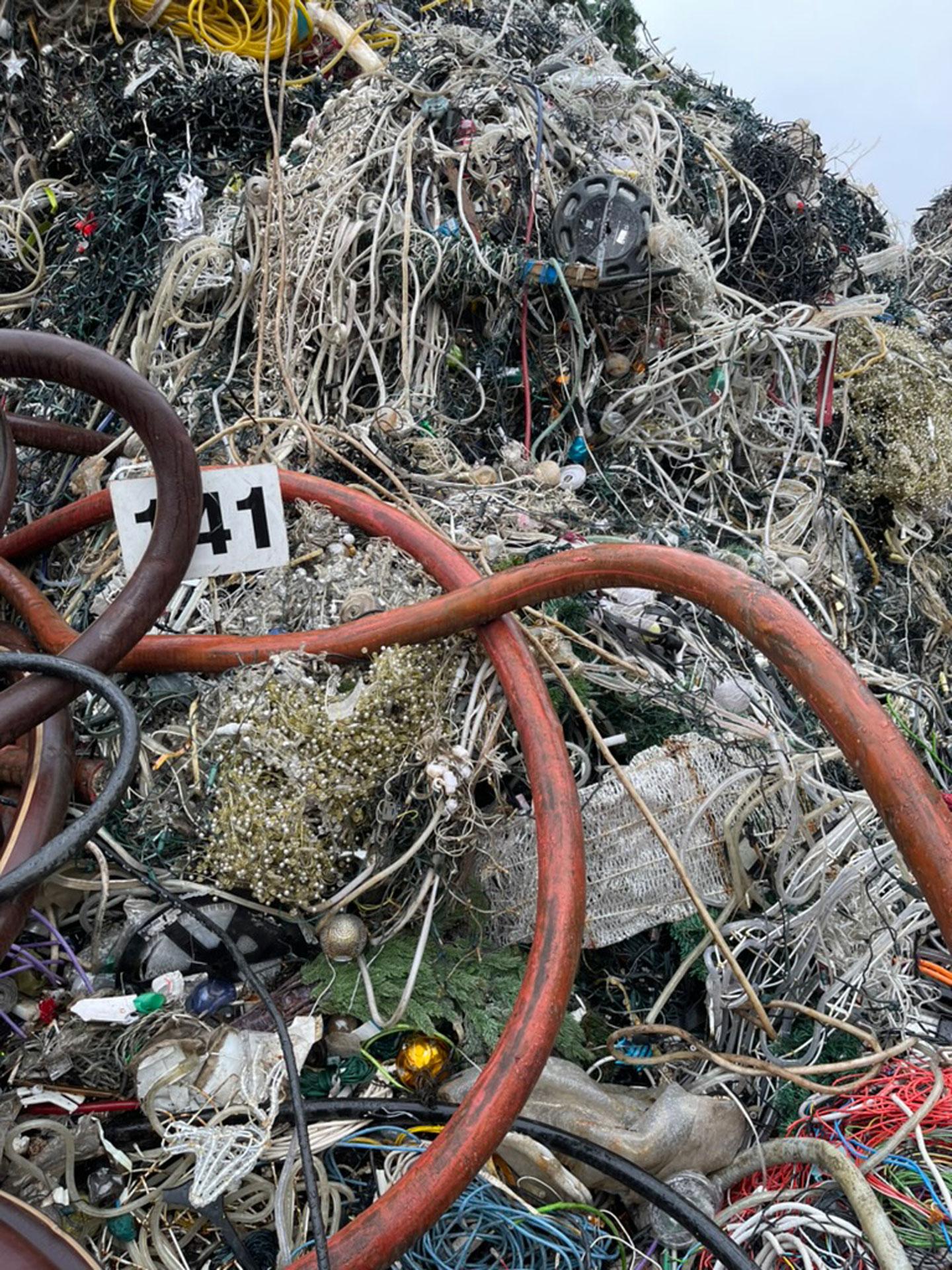
Figure 2. In facilities that recycle cables, pre-sorting is sometimes a big job. Photo: Carbotech AG
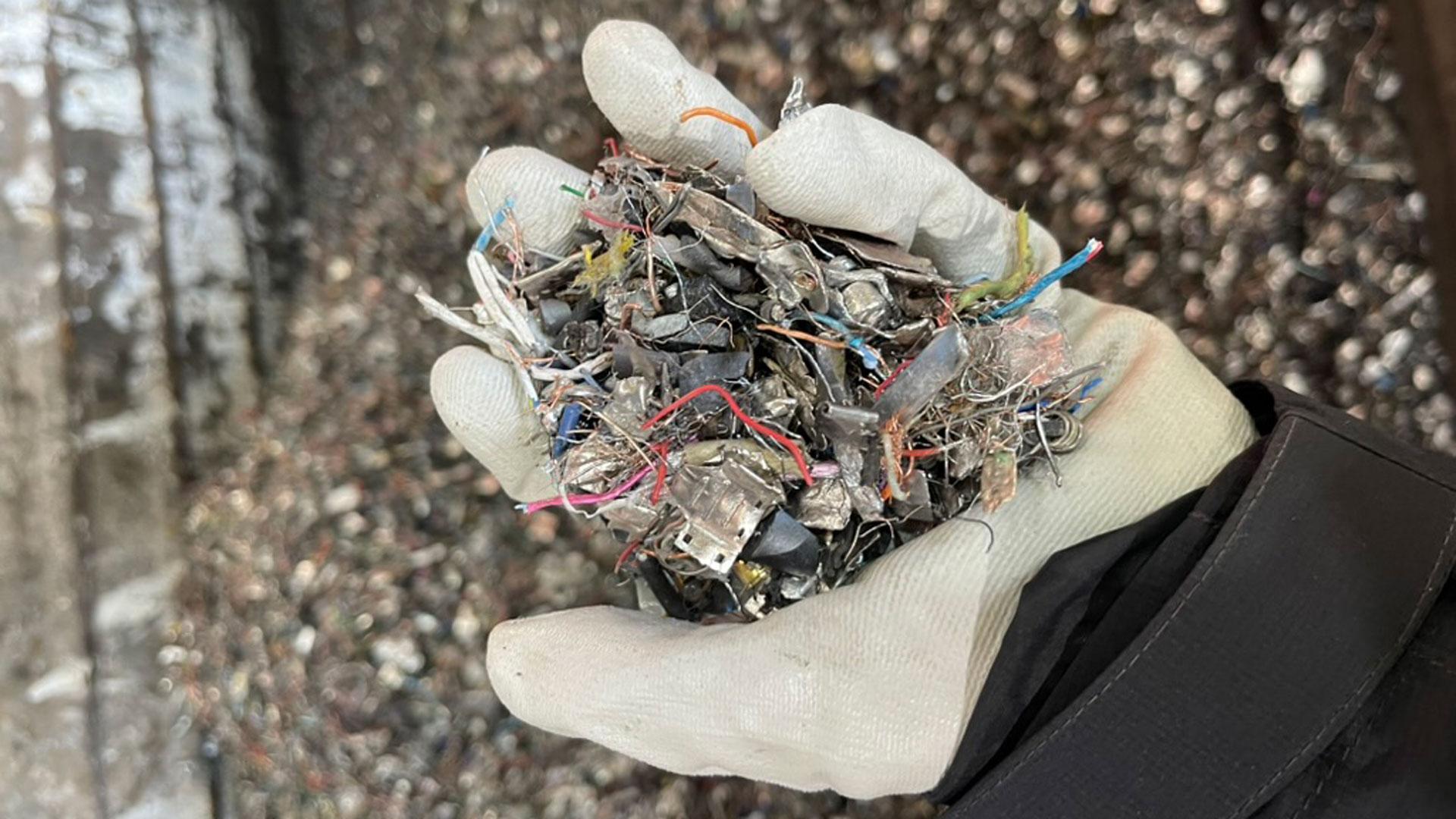
Figure 3. In addition to copper and plastics, WEEE cables also contain other metals. Photo: Carbotech AG
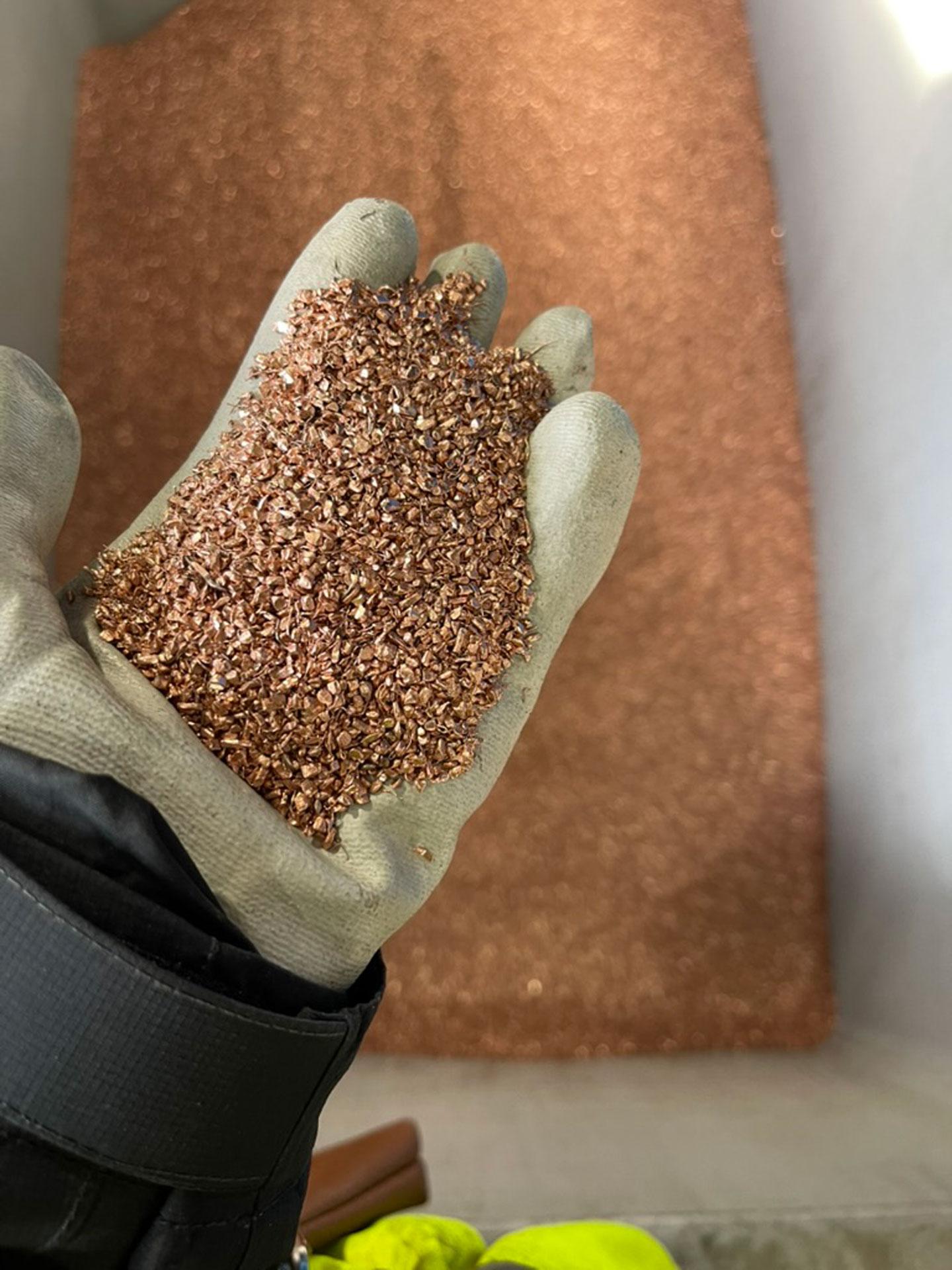
Figure 4. In addition to copper and plastics, WEEE cables also contain other metals. Photo: Carbotech AG
Plastics: hazardous substances and recycling
The TK SENS had cable plastics analysed for PCBs and brominated flame retardants at two locations. The laboratory results showed no concentrations exceeding the current guidelines of SENS eRecycling and Swico Recycling. One of the two composite samples was also tested for PFAS and showed no significant findings. For this reason, TK SENS/Swico does not rule out the recycling of cable plastics.
Phthalates, which are used as plasticisers in PVC, were not analysed in this context. It was assumed that phthalates are present in high concentrations in PVC-based cables. The Chemical Risk Reduction Ordinance (ORRChem, Annex 1.18) provides an exemption to the ban on the placing on the market of phthalates when they are “exclusively intended for industrial or agricultural use or for use outdoors (...)”. In other EU countries, such as Austria, no such exception applies, which is why the recycling of cable plastics is not permitted there.
The material recovery of cable plastics is therefore permissible for Switzerland according to current knowledge and can lead to an increased recycling rate depending on the composition of the appliance. Most of the recycled cable PVC, also originating from Switzerland, is currently used in the EU for the production of safety footplates for construction sites. It should be noted that these recycled products often have a limited lifespan. For this reason, plastics recycling from cables is currently not considered a priority measure for optimisation by TK SENS/Swico. Instead, it is evaluated in the overall context of material flows.
Outlook
Overall, the composition of cables from WEEE is expected to become more complex as the variety of metals and plastics used increases. Cable recycling is therefore more than just copper recovery. It requires a differentiated view of the composition of materials, the recycling routes and the regulatory frameworks – aspects that will increasingly be incorporated into the evaluation of the recycling rate in the future.